Turtle Beach Stealth 700 Gen 3 vs Razer BlackShark V3 Pro
Get the Razer BlackShark V3 Pro. Unless you want one headset for Xbox and a PC or PlayStation for less — then the Turtle Beach Stealth 700 Gen 3.
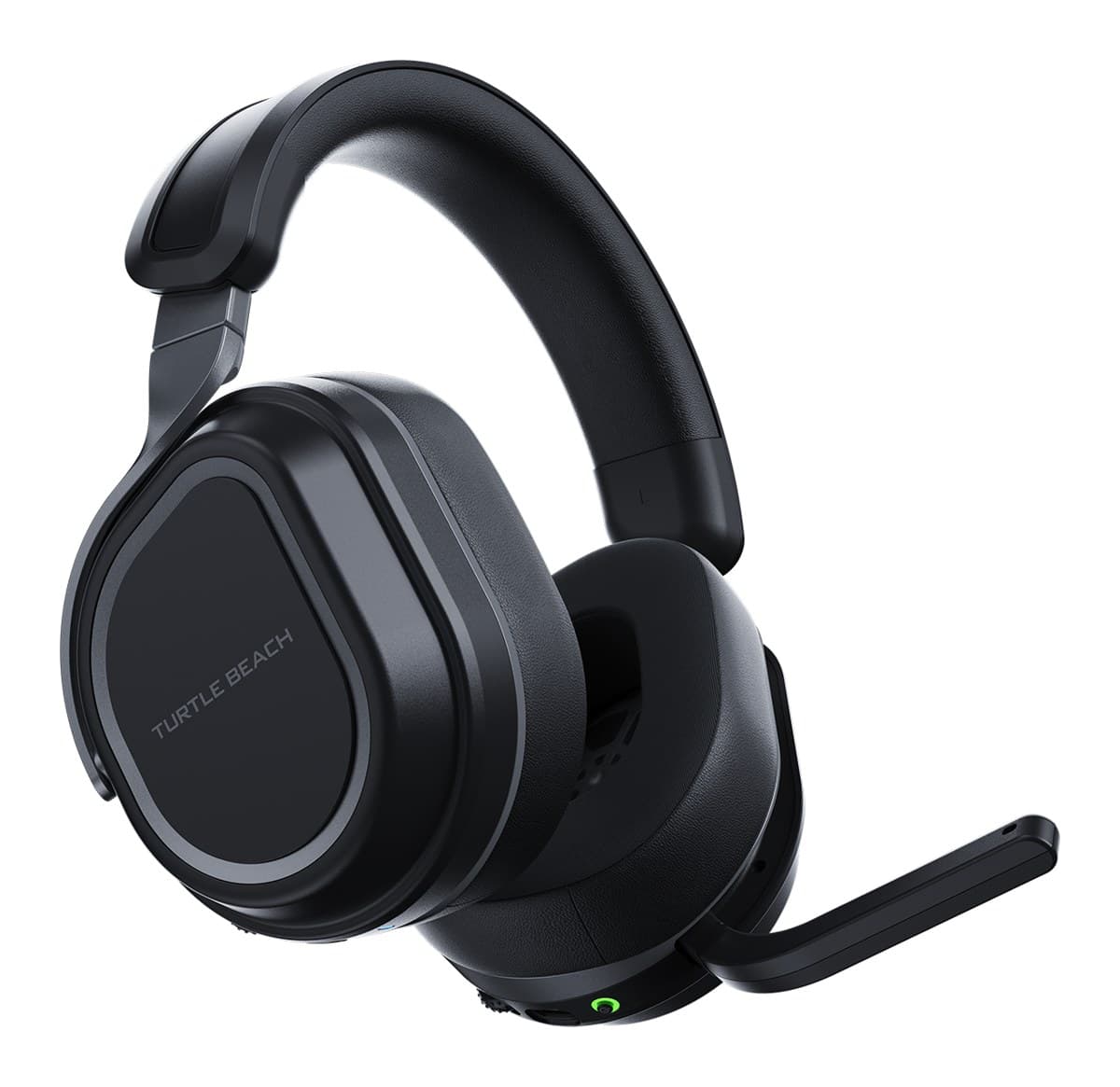
Turtle Beach Stealth 700 Gen 3
Great-sounding wireless headset for Xbox with two USB dongles, so it switches between consoles and PC, plus Bluetooth at the same time. Big and heavy, though.
Razer BlackShark V3 Pro
An esports headset with a crisp, clear boom mic, adjustable noise cancelling, very low lag and about 70 hours of battery.
We earn a commission from these links.
The BlackShark V3 Pro is lighter and more comfortable, with a clearer mic, noise cancelling and very low lag. The Stealth 700 Gen 3 sounds great, costs less and its two dongles switch between Xbox and another console or PC, but it's bulky.
- —You switch between Xbox and a PC or PlayStation.
- —You'd like to spend less.
- —You want a flip-to-mute mic.
- —You play competitive shooters.
- —Teammates need to hear you clearly.
- —You want noise cancelling.
Key differences
Pros and cons
- +Great sound
- +Two dongles plus Bluetooth at once
- +About 80 hours of battery
- −It's bulky and heavy at about 405g.
- −The headband padding flattens, which can make your head ache.
- −Updating the firmware means connecting both dongles through the Swarm 2 app.
- +Crisp, clear boom mic
- +Very low wireless lag
- +Adjustable noise cancelling
- −The wireless dongle connects through a USB cable rather than plugging straight in.
- −Noise cancelling is decent, not the strongest.
- −The fit, and so the bass, can vary for glasses wearers.
Ready to choose?
- Is the Turtle Beach Stealth 700 Gen 3 worth it?
- Is the Razer BlackShark V3 Pro worth it?
- SteelSeries Arctis Nova 7 Gen 2 vs Logitech G Pro X 2
- SteelSeries Arctis Nova 7 Gen 2 vs HyperX Cloud III S Wireless
- SteelSeries Arctis Nova Pro Wireless vs SteelSeries Arctis Nova 7 Gen 2
- SteelSeries Arctis Nova Pro Wireless vs Razer BlackShark V3 Pro
- Best gaming headsets
How we reached this verdict
We compared independent expert reviews with the manufacturer's specifications, then checked it's sold at a major retailer where you live. We don't test products ourselves.
Sources: RTINGS, Tom's Hardware, PC Gamer, manufacturer specifications.