Updated 1 Nov 2026
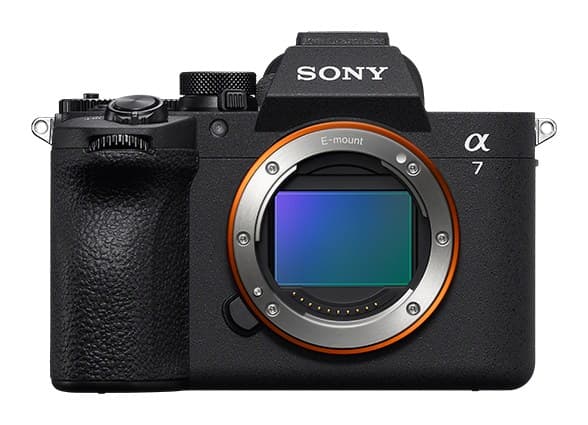
Is the Sony A7 V worth it?
Yes — if you want the best all-rounder and can pay for it.
It keeps the 33MP resolution but adds a faster, partly stacked sensor and an AI chip, so autofocus recognises and follows people, animals and vehicles better, it shoots 30 frames a second without the viewfinder going dark, and video goes up to 4K/120p. The grip and stabilisation are better too. It costs a lot more than the A7 IV, and video still stops at 4K with no open gate.
Good to know
- Video stops at 4K: no open gate and no internal RAW.
- To get the most from it you need pricey CFexpress Type A cards.
- Noise reduction on JPEGs can look heavy; shoot RAW for the best detail.
- A little heavier than the A7 IV.
- AI autofocus that finds and follows subjects
- 30 frames a second, no viewfinder blackout
- 4K/120p video, less rolling shutter
We earn a commission from these links.
Get it if…
- You shoot people, pets, sport or wildlife that moves.
- You want one camera for serious photos and video.
- You're upgrading from an older A7.
Skip it if…
- You want 6K, open gate or internal RAW video.
- The A7 IV already does what you need.
More on the A7 V
How we reached this verdict
Digital Camera World calls it the best Sony in some time: a big leap in autofocus, 30fps without blackout, tighter rolling shutter and 4K/120p, though video specs trail rivals (no open gate or internal RAW) and CFexpress Type A cards are dear. TechRadar gave it an Editor's Choice for its image quality, low-light performance and autofocus, with heavy JPEG noise reduction, weight and the 4K limit as the downsides. It's too new for a pool of verified owner reviews at the shops we read.
We compared independent expert reviews with the manufacturer's specifications, then checked it's sold at a major retailer where you live. We don't test products ourselves.
Sources: Digital Camera World, TechRadar, Sony (specs), TechRadar, Digital Camera World, manufacturer specifications.
Updated 1 Nov 2026How we decide