Apple Watch Series 11 vs Apple Watch Series 12
Get the Apple Watch Series 11 on a deal. Unless heart tracking matters most — then the Series 12's new sensor and Readiness score are worth the extra.
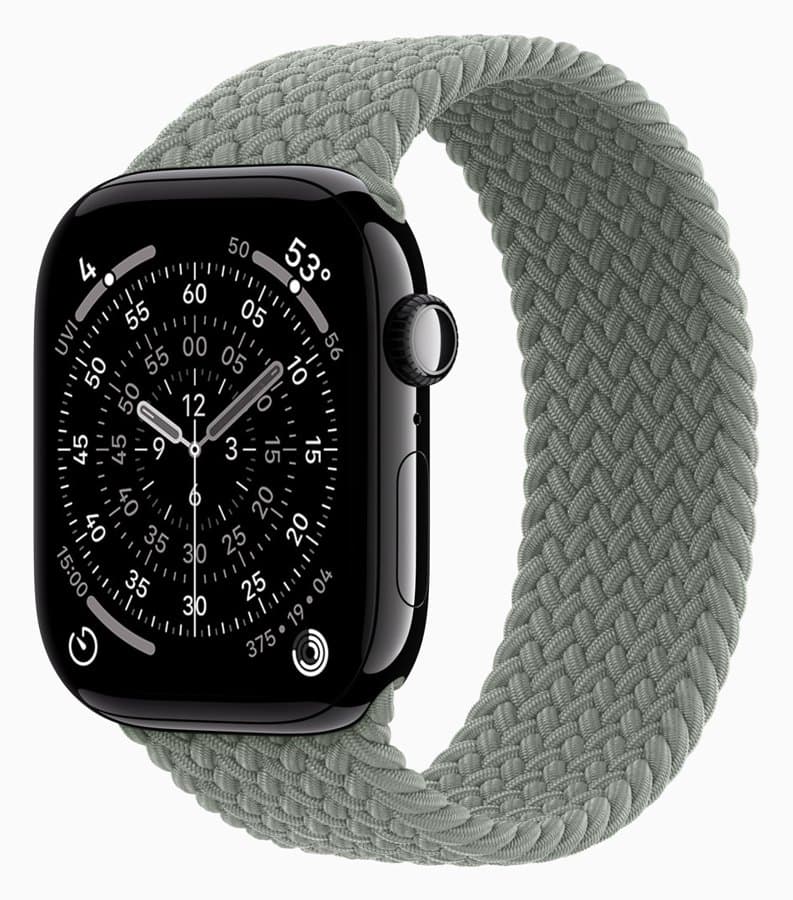
Apple Watch Series 11
The previous Apple Watch: the same look, screen and day-long battery as the Series 12, and most of its health features, for less.
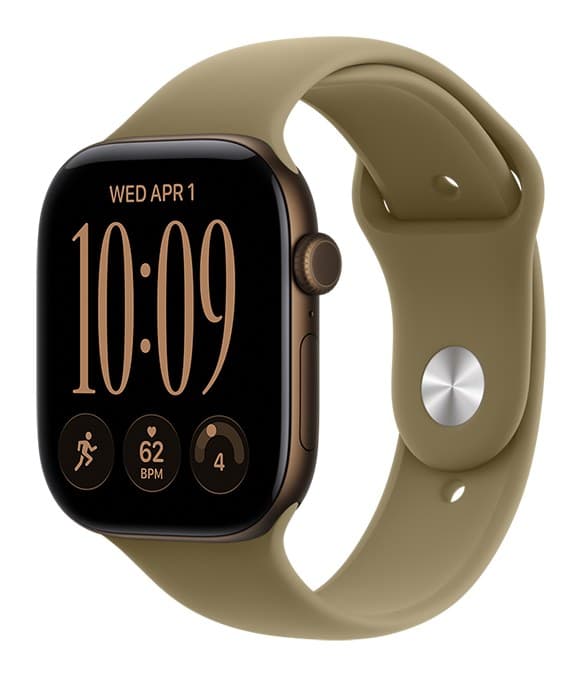
Apple Watch Series 12
The best smartwatch for iPhone owners: excellent health and heart-rate tracking, a new daily Readiness score and a bright screen. Battery still lasts about a day.
We earn a commission from these links.
They look the same, last the same 24 hours and share the screen, ECG, Sleep Score and hypertension alerts. The Series 12 reads your heart every few seconds instead of every few minutes, adds a Readiness score and charges faster.
- —You want a full Apple Watch for less.
- —You mostly use notifications, payments and workouts.
- —You're upgrading from a Series 8 or older.
- —You train seriously and want the most accurate heart data.
- —You'd use a daily Readiness score.
- —The price gap is small.
Key differences
Pros and cons
- +About 24 hours of battery
- +Hypertension alerts and Sleep Score
- +Usually well below Series 12 money
- −Battery lasts about a day, so it charges nightly.
- −Barely faster than the Series 10.
- −It misses the Series 12's faster heart sensor, Readiness score and Audio Intelligence.
- −GPS workouts last about 8 hours, against 10 on the Series 12.
- +Accurate heart-rate and health tracking
- +Daily Readiness score
- +Bright, always-on screen
- −Battery lasts about a day, so it charges nightly.
- −Looks almost identical to the last two models.
- −Some new features arrive later in software updates.
- −Its GPS isn't as precise as the Ultra's dual-band GPS.
Ready to choose?
- Is the Apple Watch Series 11 worth it?
- Is the Apple Watch Series 12 worth it?
- Apple Watch Series 12 vs Apple Watch SE 3
- Apple Watch Series 12 vs Apple Watch Ultra 4
- Apple Watch Series 12 vs Pixel Watch 5
- Pixel Watch 5 vs Galaxy Watch9
- Best smartwatches
How we reached this verdict
We compared independent expert reviews with the manufacturer's specifications, then checked it's sold at a major retailer where you live. We don't test products ourselves.
Sources: Tom's Guide, TechRadar, TechRadar, manufacturer specifications.